
ecommerce website development in Sadar Bazaar

E-commerce Website Development Sadar Bazaar

Professional ecommerce website development in Sadar Bazaar for brands ready to sell, manage and grow online.

E-commerce Web development Services Sadar Bazaar  is the process by which an online retail business is structured and can work properly.

Boost your website sales with our exceptional e-commerce web design and development services tailored for your business. Let our experts create an engaging online store that drives more conversions and maximizes your revenue potential.

If you are preparation or looking for somebody who can help you to make your ecommerce design a hit to the customers in premium ecommerce ways then we are here to help you with our ecommerce design and development services Sadar Bazaar. Our expert ecommerce website designing in Sadar Bazaar and developers appreciate your business and design a custom ecommerce website as per your requirements whether you need an product selling service, subscription option, online payment option whatever is your requirement we are here to fulfill it.

Ecommerce Website Development

Check out what our clients think of us:   Reviews  (458 Ratings & Reviews) 4.9  Average Ratings 

Website Design Noida Delhi Gurgaon Ghaziabad India

Website Design Noida Delhi Gurgaon Ghaziabad India

Modern, Responsive and SEO-Friendly Websites Created to Build Trust, Generate Enquiries and Grow Your Business

Build an Ecommerce Website That Makes Buying Easy

Your online store should do more than display products. It should help customers discover the right item, understand its value, trust the purchase and complete checkout without unnecessary friction. We design and develop ecommerce websites for businesses in Sadar Bazaar, Central Delhi and Delhi NCR with a clear focus on usability, mobile shopping, operational efficiency and long-term manageability. For businesses comparing an ecommerce website development company in Sadar Bazaar, this approach connects storefront design with practical order management.

Whether you are launching a new D2C brand, taking an established retail business online, rebuilding an underperforming store or creating a B2B catalogue, the solution is planned around your products, customers, fulfilment process and growth priorities. Shopify, WooCommerce and custom development options are recommended only after the requirements are understood.

  • Mobile-first storefronts designed for real shopping journeys
  • Clear scope, platform guidance and milestone-based communication
  • Payment, shipping, inventory and marketing integrations
  • SEO-ready site structure and editable product management
  • Testing across key devices, browsers and checkout paths
  • Post-launch handover, training and support options
  •  
Ecommerce Website Development

Turn Your Ecommerce Idea into a Store Customers Can Trust

Strategy, design and development brought together around the way your business actually operates.

Sadar Bazaar is a busy Central Delhi commercial hub, supporting retailers, wholesalers, manufacturers, food businesses, home-based sellers and growing consumer brands. Its proximity to established markets and densely connected neighbourhoods creates strong potential for businesses that want to combine local recognition with online sales. A store may begin by serving customers in Central Delhi, yet a well-planned ecommerce website can support orders across Delhi NCR and throughout India. This makes online store development in Central  Delhi relevant for both neighbourhood sellers and brands planning wider delivery.

Successful ecommerce website development begins before design. Product types, variants, margins, taxes, delivery coverage, payment preferences, returns, customer questions and internal workflows all influence the right platform and feature set. We translate these practical requirements into a clear storefront structure so customers can browse confidently and your team can manage daily operations without depending on a developer for every small update.

The result is not a promise of automatic sales or search rankings. It is a dependable digital foundation that can support content, advertising, customer retention and operational improvement when paired with the right products, pricing and marketing.


Your website serves as your determined sales activist, delivering a world-class experience to your customers at any time of the day.

Vipin: Your Trusted Partner for eCommerce Success e commerce in Sadar Bazaar, we are specialist, we build India ecommerce websites and online stores on WordPress and WooCommerce, Shopify Store ready.Whether you’re a startup or enterprise, a fully functional and well-designed website is essential for your eCommerce business. Vipin Web Designer is a Delhi-based creative Website Designer offering custom eCommerce website services. From design and development to maintenance and enhancements, we’ll ensure your eCommerce website is performing optimally to deliver an exceptional user experience. We have a highly skilled team of developers and creatives who will work closely with you from the initial website design concept through to site launch and beyond. Kickstart your eCommerce website project today

Why We’re Better

/ In-house Work

/ Designed First, Developed Second

/ Brand Focused Premium Outcomes

/ From Start-up to Enterprise Level

Custom Ecommerce Website Development Services We Offer

Our core services that cover launch, migration, improvement and ongoing growth.
Woo Commerce Development

lexible WordPress-based stores with product configuration, checkout, tax and shipping setup, plugin integration and an admin experience suited to content-led businesses.

Shopify eCommerce Development

Store setup, theme customisation, collections, product templates, payments, shipping, apps and essential tracking for businesses that want a hosted, manageable ecommerce platform.

Custom Ecommerce Website Design

Brand-aligned layouts for home, collection, product, cart and supporting pages. Navigation, filters, product information and calls to action are organised around your catalogue and customer intent.

Custom Ecommerce Development

Bespoke storefronts, portals or workflows for requirements that standard themes and plugins cannot address efficiently. Architecture is planned around integrations, scalability and maintainability.

Migration and Ecommerce Redesign

Structured migration or redesign for stores with dated UX, weak mobile performance, difficult administration or platform limitations. Redirects, data scope and launch risk are planned in advance.

Maintenance and Conversion Improvement

Maintenance and Conversion Improvement

Are you ready to scale up your business?

Vipin is your guide, crafting custom solutions that fuel your customer base growth, revenue increase, and cost reduction
Easy-to-manage eCommerce

let you concentrate on expanding your business, rather than grappling with technical complexities.

We're here to help

together we will streamline your operations and create an enjoyable, repeat-purchase experience for your customers..

Tailored solutions

Don't let your competitors steal the march on you. Trust in Vipin to deliver tailored solutions that drive you towards your business goals.

Ready to start your eCommerce journey? Contact us for a free consultation today.

We will help you to achieve your goals and to grow your business.

Start with the commercial journey, then choose the technology.

How We Approach It

We begin by understanding what you sell, who buys it and what must happen after an order is placed. This prevents the project from becoming a collection of attractive pages that do not support fulfilment or customer decisions.

Clarify product model, audience, sales channels, locations, team roles, competitors and measurable priorities.

Map categories, variants, filters, product content, cart behaviour, checkout expectations and post-purchase communication.

Compare platform fit, ownership, recurring costs, integrations, customisation limits and future requirements.

Create a clear hierarchy for mobile and desktop, with reusable sections and consistent interaction patterns.

Build approved components, connect agreed services and configure store settings with maintainability in mind.

Check core journeys, responsive layouts, forms, payments in test mode, notifications, tracking and handover items before launch.

ecommerce-website-development-company-India

Smart Integrations Powered by an Expert Ecommerce Website Design Company

Connect the storefront to the tools that keep orders, customers and operations moving.

Integrations should remove repetitive work or improve the customer experience—not add unnecessary cost and complexity. We identify the minimum reliable setup for launch and create a roadmap for features that can be added when volume justifies them.

  1. Payment gateways: supported cards, UPI, net banking, wallets, EMI and Cash on Delivery, subject to provider approval and platform availability.
  2. Shipping and logistics: serviceability checks, shipping rates, order sync, labels and tracking through compatible logistics providers.
  3. Inventory and ERP: product, stock, order or invoice synchronisation where reliable APIs and clean data are available.
  4. CRM and customer support: lead capture, customer records, tickets, WhatsApp or chat workflows with consent and access controls.
  5. Marketing and analytics: web analytics, ad pixels, product feeds, email/SMS tools and conversion events configured within platform and privacy constraints.
  6. Reviews and loyalty: verified review requests, reward programmes, referrals or memberships selected for a genuine retention use case.
  7. GST and invoicing: tax configuration and invoice tools based on the merchant’s operational and professional compliance advice.

Third-party subscriptions, transaction fees, API limits and provider policy changes are separate from development. These dependencies are documented so the ongoing cost is visible before approval.

Have Products, a Retail Business or an Ecommerce Idea?

Share your catalogue size, preferred delivery regions and must-have features. We will help you identify a practical starting scope for your Sadar Bazaar business.

The best platform is the one that fits your team, catalogue, budget and roadmap.

Choosing the Right Foundation: How Our Ecommerce Development Agency Leverages Top Platforms

Platform selection affects operating cost, editing freedom, integrations, performance and the amount of custom development required. We compare the complete ownership picture instead of recommending a platform because it is popular. The recommendation may involve Shopify website development, WooCommerce website development or custom ecommerce development, depending on ownership and feature requirements.

Shopify

D2C and retail brands seeking hosted infrastructure, streamlined administration and a strong app ecosystem.

Monthly plan, app subscriptions, checkout capabilities and customisation vary by plan and region.

WooCommerce

Businesses that already use WordPress or need content flexibility, greater hosting choice and plugin-based extensibility.

Hosting quality, plugin compatibility, security updates and maintenance require active ownership.

Custom stack

Complex catalogues, portals, unusual pricing, workflows or integrations that cannot be handled well by standard platforms.

Higher discovery, development, testing and maintenance investment; strong technical governance is essential.

Headless commerce

Brands needing a separately built frontend, advanced content experience or multi-channel architecture.

Adds deployment, integration and operational complexity; it is not automatically faster or better for every store.

AI-Powered Features Built into Ecommerce Stores Where They Add Value

Useful automation with human review, clear controls and realistic expectations.

AI features are selected according to catalogue quality, traffic, customer needs, platform support and privacy requirements. Not every store needs all six, and no automated output should be published without suitable review.

Natural-language or guided search can help customers express intent more easily, provided product data is structured and results are tested for relevance.

Behavioural or rule-based recommendations can surface complementary products. Effectiveness depends on traffic, consent, data quality and continuous evaluation.

A chatbot can answer approved questions about products, delivery or policies and route complex cases to a person. Guardrails and an escalation path are essential.

AI can help prepare first drafts for descriptions, FAQs or metadata from approved product facts. A human should verify accuracy, tone, claims and duplication.

Analytics tools can help identify search gaps, weak product pages, common combinations and funnel drop-offs. Decisions still require commercial context.

Supported payment or ecommerce services may use automated risk signals to assist review. Final handling depends on the provider, merchant policy and applicable rules.

Technical Stack We Leverage for Custom Ecommerce Websites

A maintainable stack chosen for the store—not a fashionable stack forced onto it.
  1. Store platforms: Shopify and WooCommerce for platform-led builds; custom commerce solutions where requirements justify them.
  2. Frontend: HTML5, CSS3, JavaScript, Liquid for Shopify themes, and modern component frameworks such as React or Next.js for suitable custom/headless projects.
  3. Backend: PHP/WordPress for WooCommerce and server-side technologies such as Node.js where custom application architecture requires them.
  4. Data: platform-native catalogues or suitable databases for bespoke applications, with clear product identifiers and migration rules.
  5. Integrations: REST or GraphQL APIs, webhooks and supported connectors for payments, shipping, CRM, ERP and marketing services.
  6. Quality: version control, staging where appropriate, responsive testing, accessibility checks, performance review and controlled deployment.
  7. Security baseline: HTTPS, role-based access, trusted extensions, backups, updates, validation and provider-supported payment flows. No website can honestly be described as risk-free.

Is Your Store Slow, Difficult to Manage or Losing Customers at Checkout?

Request a practical review of the catalogue, mobile journey, integrations and administration workflow. Improvements can be prioritised by customer impact and implementation effort.

A transparent path from requirements to a store your team can operate.

Our Ecommerce Website Development Process

  • Initial consultation: Discuss business model, products, target locations, current systems, goals and constraints.
  • Requirements and content audit: Define catalogue structure, feature priorities, integrations, policy pages, data readiness and responsibilities.
  • Scope and proposal: Document deliverables, exclusions, milestones, dependencies, timeline and commercial terms.
  • Information architecture: Plan menus, categories, filters, key page templates, search behaviour and customer journeys.
  • UI direction and approval: Establish brand-consistent visual patterns and review representative screens before full build.
  • Development and configuration: Create templates, product structures, agreed custom features and integrations in a controlled environment.
  • Content and catalogue setup: Add the agreed product/data volume, optimise media and configure essential store information supplied by the client.
  • Quality assurance: Test responsive behaviour, major browsers, forms, search, cart, checkout, notification and agreed integration flows.
  • Launch and handover: Complete approved deployment steps, provide admin guidance and confirm access, backup and support arrangements.
  • Post-launch improvement: Review real customer behaviour and prioritise refinements. New features are scoped separately where necessary.

16+

Years in Business

2500+

Successful Projects

600+

Happy Clients

4000+

Ideas/Concepts Derived

Product presentation, filters and purchase logic should reflect the industry—not a generic store template.

Ecommerce Solutions Across Industries - From Fashion to Tech

Every industry has different products, customers, purchasing journeys, and operational requirements. We develop Ecommerce Website  around these practical needs rather than applying the same template to every business.

Size and colour variants, fit guidance, collections, look-based merchandising, returns clarity and mobile-first imagery.

Ingredient information, usage guidance, routines, bundles, subscriptions and responsible presentation of product claims.

Detailed media, material and sizing information, trust content, wishlists, enquiries and high-consideration purchase support.

Variants, packs, subscription options, storage details, delivery constraints and clearly reviewed product information.

Room/category navigation, dimensions, materials, delivery information, visual galleries and enquiry options for custom items.

Specifications, model comparison, compatibility, warranties, accessories and structured filters for faster discovery.

Catalogue access, minimum order rules, quote requests, bulk pricing, account workflows and technical product data.

Searchable catalogues, gifting options, occasion-led collections, personalised items and seasonal merchandising.

Why Choose Us for Ecommerce Website Development in Sadar Bazaar?

Direct communication, practical advice and a store built around your next operational step.

Working with an ecommerce website developer is not only a design decision. It involves product data, payments, shipping, customer communication, analytics and ongoing ownership. Our approach keeps these parts connected from discovery through handover. A dependable ecommerce web developer in Sadar Bazaar should explain these operational dependencies before development begins.

  1. Local understanding with remote delivery capability across Delhi NCR and India
  2. Platform-neutral recommendations based on fit and total ownership
  3. Custom design direction instead of unnecessary feature loading
  4. Clear documentation of client inputs, third-party costs and technical dependencies
  5. Mobile shopping and editable administration treated as core requirements
  6. SEO-ready structure without ranking guarantees or keyword stuffing
  7. Testing focused on important customer and operational journeys
  8. Flexible post-launch support and improvement options

Before publishing this section, add only verifiable proof such as real years of experience, portfolio links, client reviews, platform certifications or store outcomes. Specific evidence is more persuasive than generic superlatives.

Types of Ecommerce Websites We Develop

  1. Single-brand D2C stores for direct online sales
  2. Retail ecommerce websites with product variants and collection-based browsing
  3. B2B and wholesale catalogues with enquiry or account-based workflows
  4. Subscription and replenishment stores where products and platform rules support recurring orders
  5. Multi-category online stores with structured navigation and filtering
  6. Marketplace-style platforms, subject to detailed vendor, payment and moderation requirements
  7. Service-plus-product websites for bookings, packages and physical goods
  8. Catalogue and request-a-quote websites for complex or high-value products
  9. Ecommerce redesigns and migrations from an existing platform
  10. Headless or custom storefronts for justified multi-channel or experience requirements
e-commerce websites

Essential Features of a Professional Ecommerce Website

Features should reduce doubt, speed up decisions and make store operations reliable.
  1. Responsive, touch-friendly layouts for mobile, tablet and desktop
  2. Clear navigation, site search, category structure and relevant filters
  3. Detailed product pages with variants, price, availability, media and delivery information
  4. Persistent cart and a checkout flow with minimal avoidable friction
  5. Supported payment options and clear failure/retry communication
  6. Shipping zones, rates, serviceability and order tracking where supported
  7. Inventory, SKU and order management appropriate to the catalogue
  8. Customer accounts or guest checkout according to the business model
  9. Policy pages for shipping, cancellations, returns, privacy and terms
  10. Reviews, FAQs, trust information and customer-support access
  11. Analytics, search console readiness and agreed advertising events
  12. SEO controls for titles, descriptions, headings, canonicalisation and redirects
  13. Performance-conscious images, scripts, apps and theme code
  14. Role-based admin access, backups, updates and security hygiene
  15. Accessible labels, readable contrast and keyboard-friendly core interactions

What Is the Cost of an Ecommerce Website?

The right question is not only “What does it cost?” but “What must the store reliably do?”

Ecommerce website development cost in Sadar Bazaar or Delhi varies because two stores with the same number of pages can have very different catalogue, design, checkout and integration requirements. A small platform-led store with prepared content usually requires less work than a multilingual wholesale portal or a custom marketplace. When comparing ecommerce website development cost in Delhi, review both the initial build and recurring platform, application and support expenses.

  1. Chosen platform, plan and hosting model
  2. Number of products, variants, collections and data quality
  3. Theme customisation versus fully custom UI
  4. Product filters, search, bundles, subscriptions or wholesale rules
  5. Payment, shipping, CRM, ERP and marketing integrations
  6. Data migration, image preparation and redirect requirements
  7. Custom coding, user roles, portals or marketplace workflows
  8. Content writing, photography and product entry volume
  9. Testing, training, documentation and post-launch support
  10. Recurring platform, app, hosting, messaging and transaction charges

A responsible quotation separates one-time development from recurring third-party costs and states what content, product data and approvals the client must provide. After a discovery call, the project can be scoped as a starter launch, growth-focused store or custom ecommerce solution. Prices and timelines should be confirmed in a written proposal rather than copied from a generic rate card.

Know What You Want to Sell? Let’s Define the Right First Version.

Send your approximate product count, preferred platform, reference websites, required integrations and target launch window. You will receive a clearer discussion than a one-price-fits-all estimate.

How to Start an Ecommerce Business in India

Validate the business and operating model before investing in advanced technology.
  • Choose a focused customer and product opportunity: Define who will buy, what problem or desire the product addresses and why the offer is meaningfully different.
  • Validate demand and unit economics: Test pricing, expected acquisition cost, gross margin, returns, packaging, shipping and payment fees before scaling inventory.
  • Set up the business appropriately: Choose a suitable business structure, banking and tax setup with qualified professional guidance. Requirements vary by business, product and location.
  • Prepare products and suppliers: Confirm quality, stock visibility, identifiers, packaging, lead times and processes for damaged or returned goods.
  • Define fulfilment and customer service: Decide delivery coverage, logistics partners, Cash on Delivery policy, response channels and service standards.
  • Create brand and product content: Prepare accurate descriptions, specifications, images, FAQs and policies. Avoid unsupported health, performance or comparative claims.
  • Select the ecommerce platform: Compare ease of management, features, recurring costs, integrations, ownership and future expansion.
  • Build and test the store: Configure catalogue, payments, shipping, taxes, notifications, analytics and core customer journeys using test scenarios.
  • Launch with a measurable channel plan: Start with suitable organic, marketplace, social, email or paid channels and track qualified traffic, conversion and order quality.
  • Improve from evidence: Use search terms, support questions, funnel data, returns and repeat purchases to prioritise the next change.

Compliance requirements may include registrations, tax treatment, invoicing, consumer disclosures, product-specific licences and data/privacy obligations. Because these vary, obtain advice from qualified legal and tax professionals rather than treating website copy as compliance advice.

Advantages of an Ecommerce Website

  • Sell beyond the physical reach and opening hours of a local store
  • Present complete product information in a consistent format
  • Own more of the brand and customer journey than on a marketplace alone
  • Collect first-party customer and sales insights with appropriate consent
  • Automate parts of payment, order, inventory and communication workflows
  • Launch collections, bundles, offers and content without changing physical merchandising
  • Support direct repeat purchases, loyalty and retention programmes
  • Test new products, pricing and audiences using measurable digital campaigns
  • Integrate online sales with logistics, CRM, ERP or accounting tools where suitable
  • Create a scalable foundation for regional, national or international expansion

These advantages depend on execution. A website still needs competitive products, dependable fulfilment, responsive customer support and sustained marketing.

Why Is Smart Ecommerce Website Development Important?

Because every design and technology decision affects both customer confidence and daily operations.

Smart ecommerce development aligns the visible storefront with the less visible systems behind it. Customers expect quick discovery, clear information, transparent delivery, reliable payment and reassuring post-purchase communication. The business needs accurate inventory, manageable orders, useful data and a platform the team can maintain.

When these needs are planned together, the store is easier to use and easier to operate. When they are separated, businesses often compensate with manual spreadsheets, duplicate entry, excessive apps, slow pages or confusing policies. Thoughtful architecture also makes future changes more controlled: new products, campaigns, integrations and sales channels can build on a stable foundation rather than repeatedly repairing shortcuts.

Benefits of Choosing Ecommerce Web Development in Delhi

Local commercial context combined with the ability to serve customers anywhere. Professionally planned ecommerce web development in Delhi can combine local market understanding with scalable nationwide selling workflows.
  • Closer understanding of Delhi NCR retail, D2C, wholesale and service-business models
  • Convenient communication for businesses in Sadar Bazaar and nearby New Delhi locations
  • Store planning suited to Indian payments, Cash on Delivery and logistics workflows
  • Ability to support local-first launches with wider India delivery goals
  • Access to digital marketing, content, technology and fulfilment ecosystems across NCR
  • Flexible collaboration for product uploads, approvals, training and future improvements
  • Location-relevant landing pages and business information without duplicating generic city content


Key Features We Offer

A practical build can combine the following capabilities according to scope.

Conversion-Focused UX

Logical navigation, focused product pages, clear calls to action and checkout journeys designed to remove avoidable uncertainty.

Mobile Commerce

Responsive grids, touch-friendly controls, readable content, optimised media and mobile testing across critical shopping steps.

Store Management

Editable products, categories, inventory, discounts, orders, customers and content with role-appropriate access.

Payments and Delivery

Supported payment gateways, shipping logic, serviceability, tracking and customer notifications configured to the agreed model.

SEO and Discoverability

Clean hierarchy, metadata controls, crawlable navigation, structured product information and redirect planning where relevant.

Analytics and Marketing

Analytics, search monitoring, campaign tags, product feeds and conversion events configured according to consent and platform limits.

Performance and Reliability

Image optimisation, app/script review, caching or CDN use where applicable, backups and controlled update practices.

Training and Support

Admin handover, usage guidance, access documentation and clearly scoped maintenance or improvement support.

Ready to Build or Improve Your Ecommerce Web Development ?

Whether you are launching a new ecommerce business, redesigning an existing store, or adding advanced functionality, we can create a Shopify solution suited to your goals.

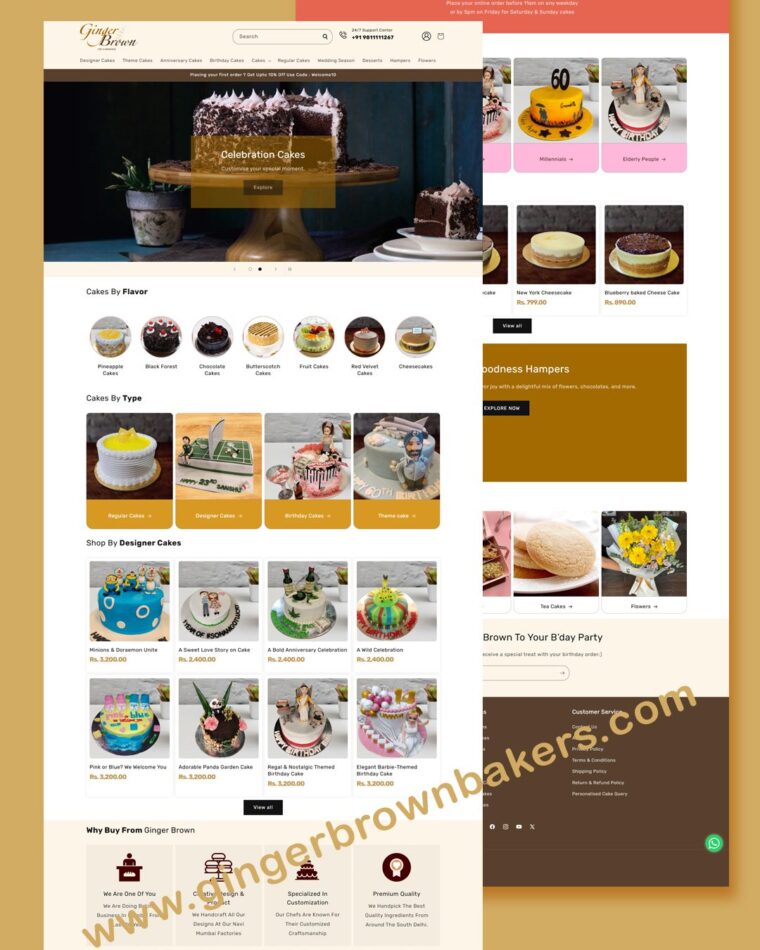
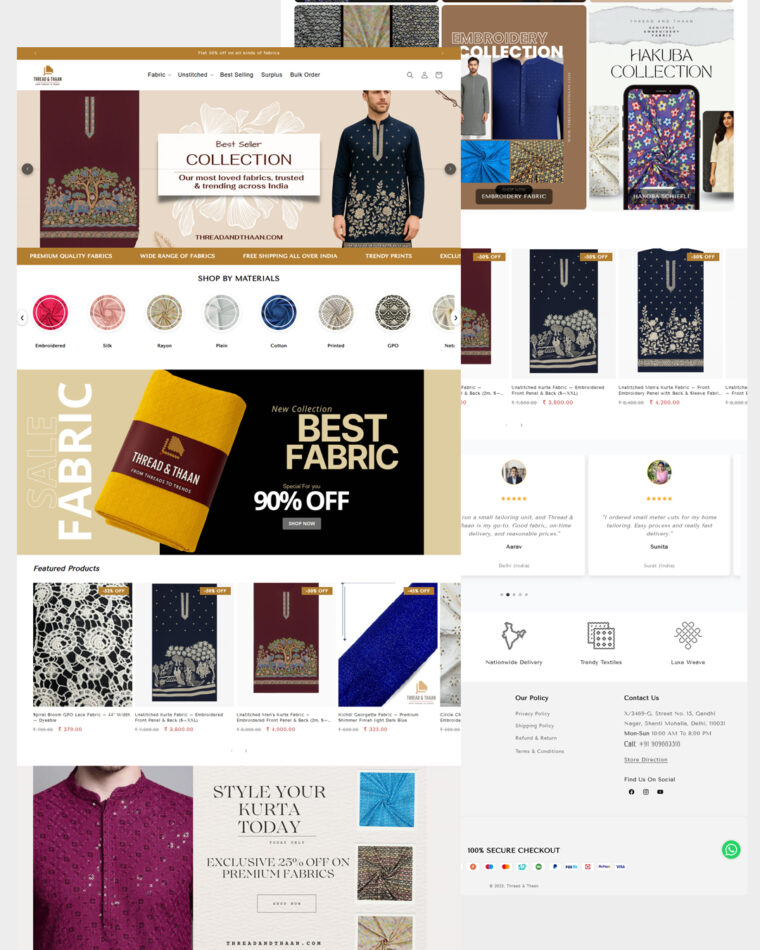
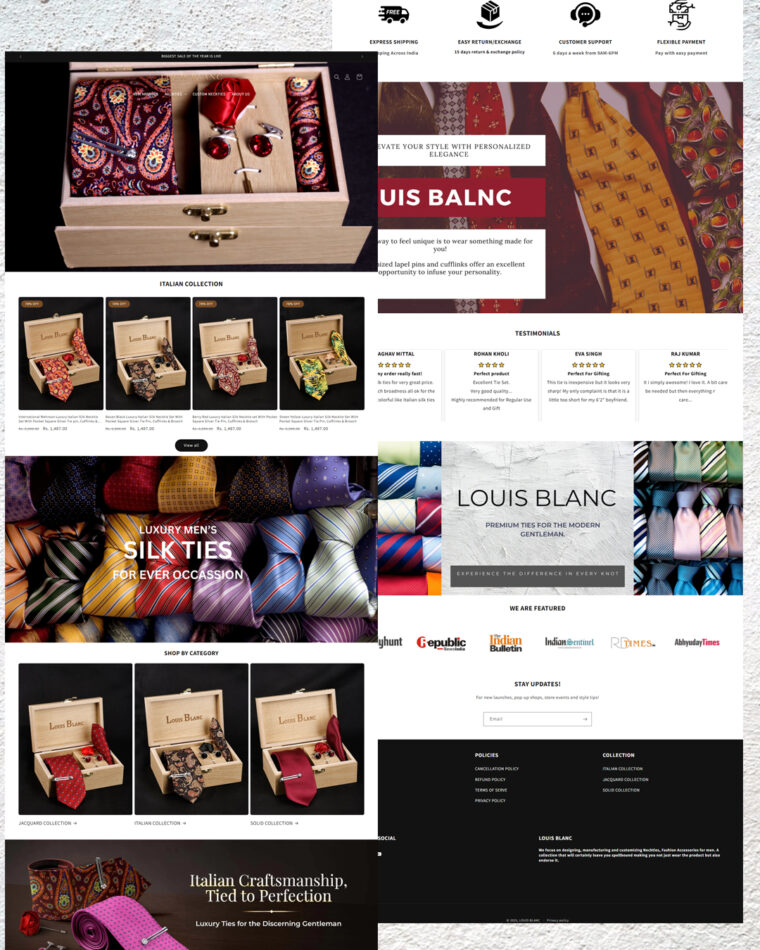
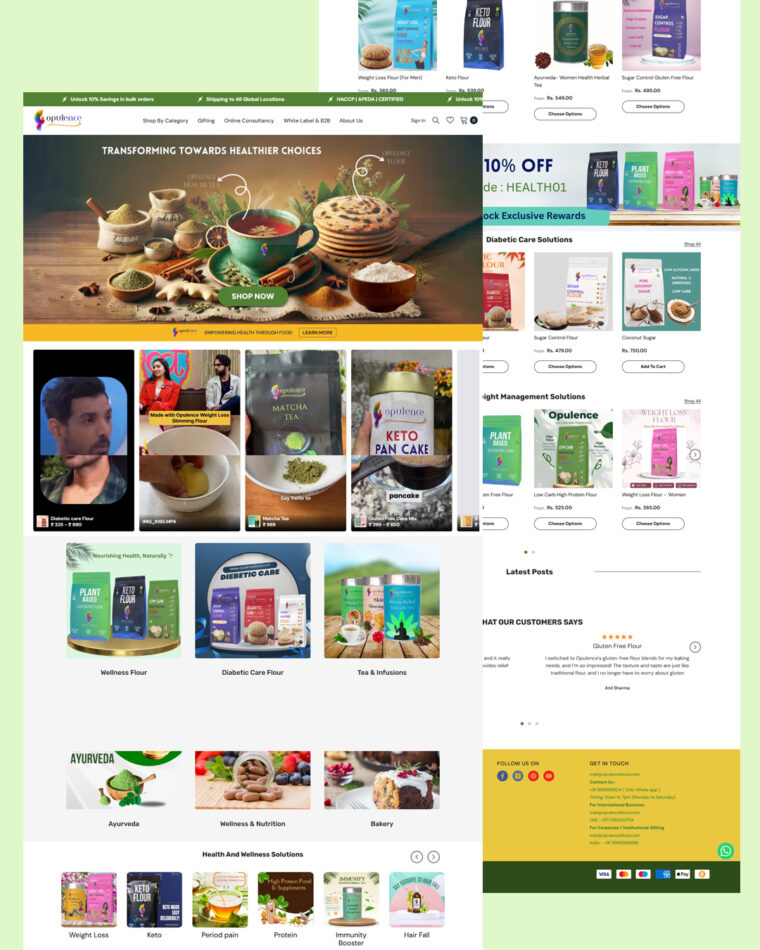
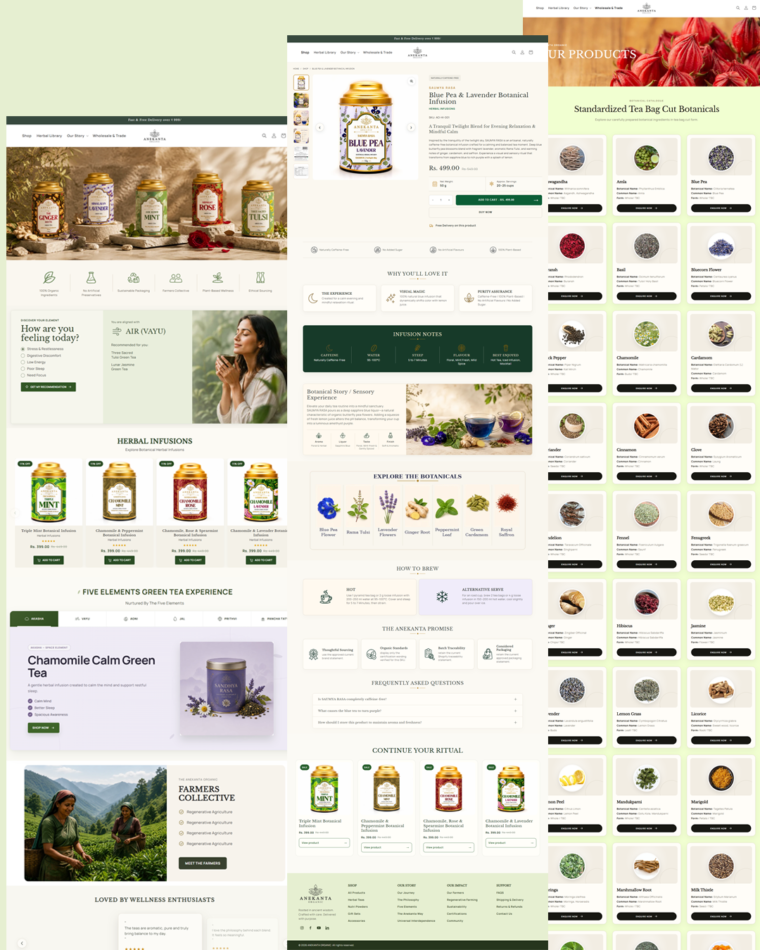
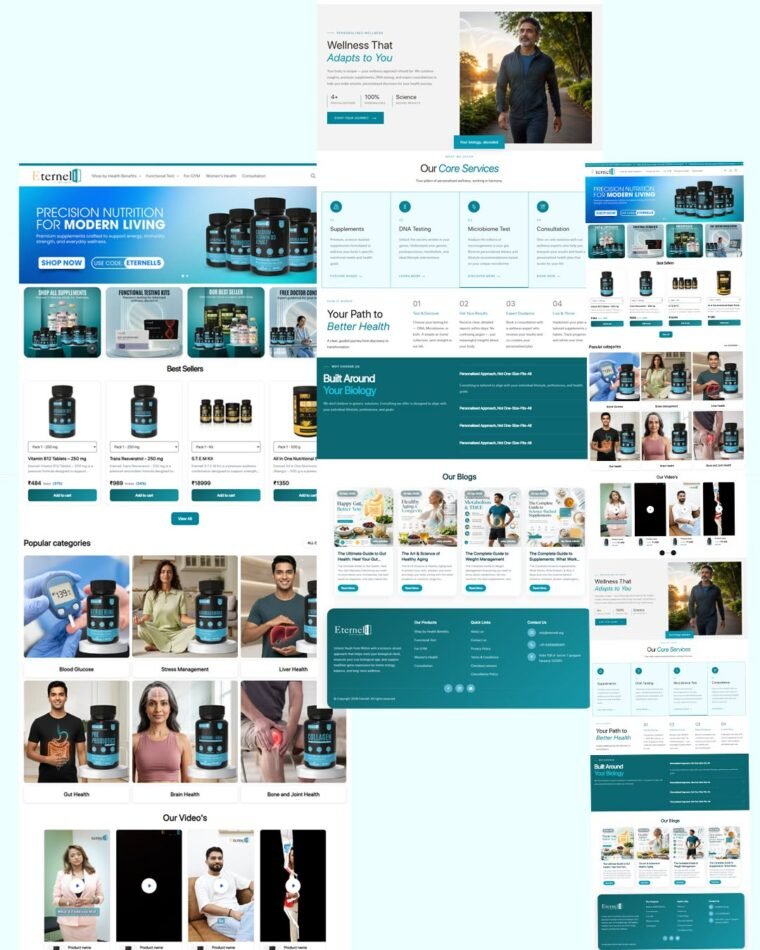
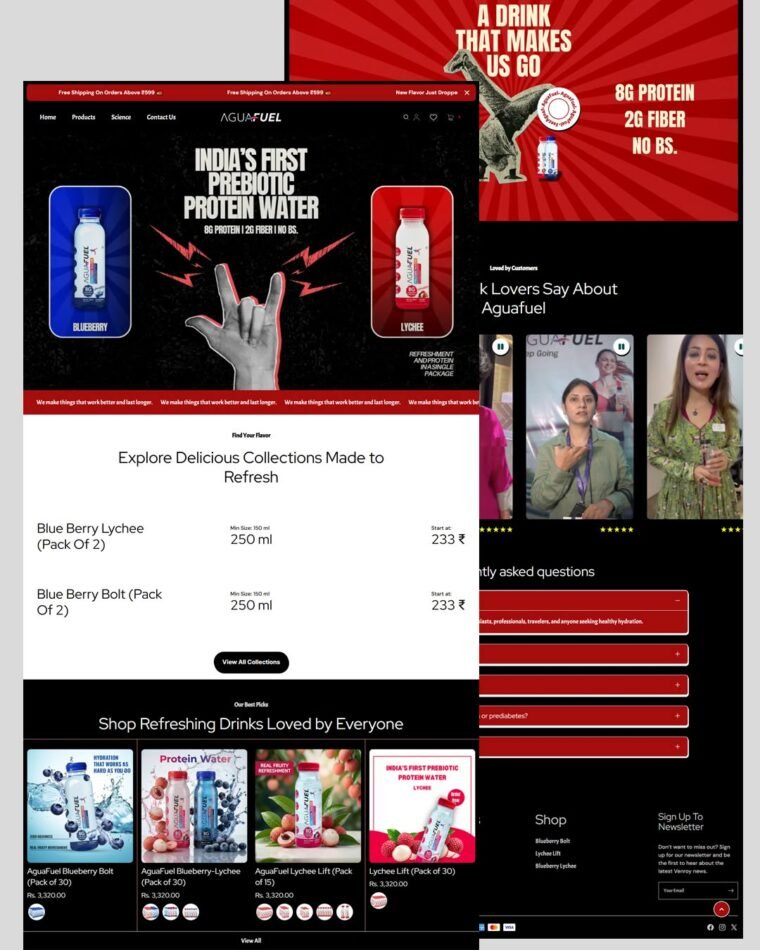
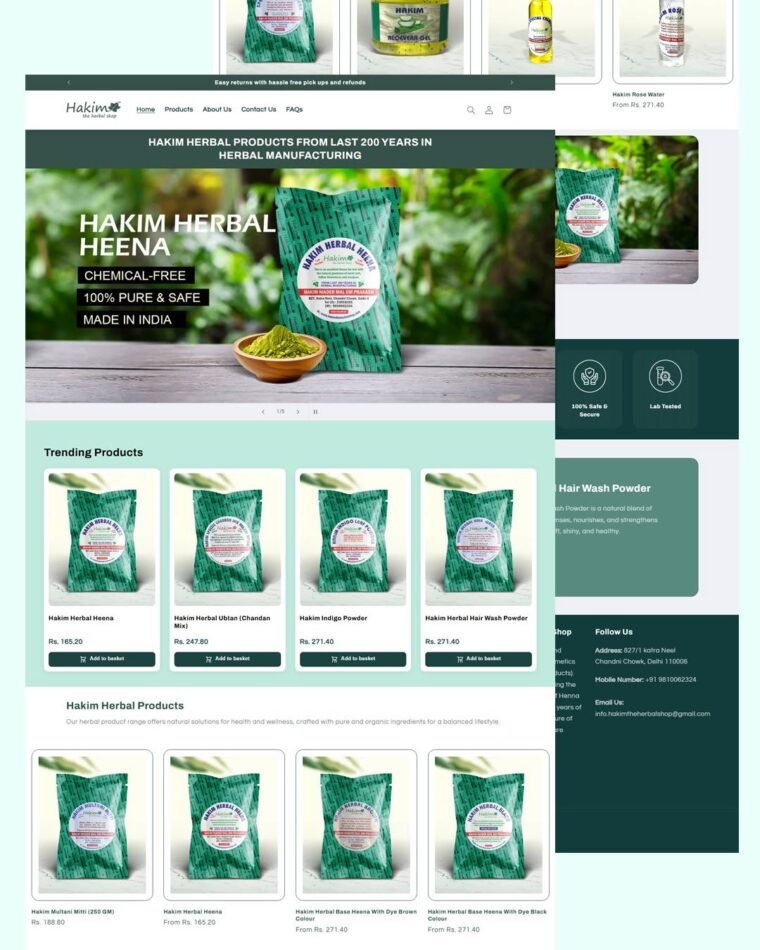
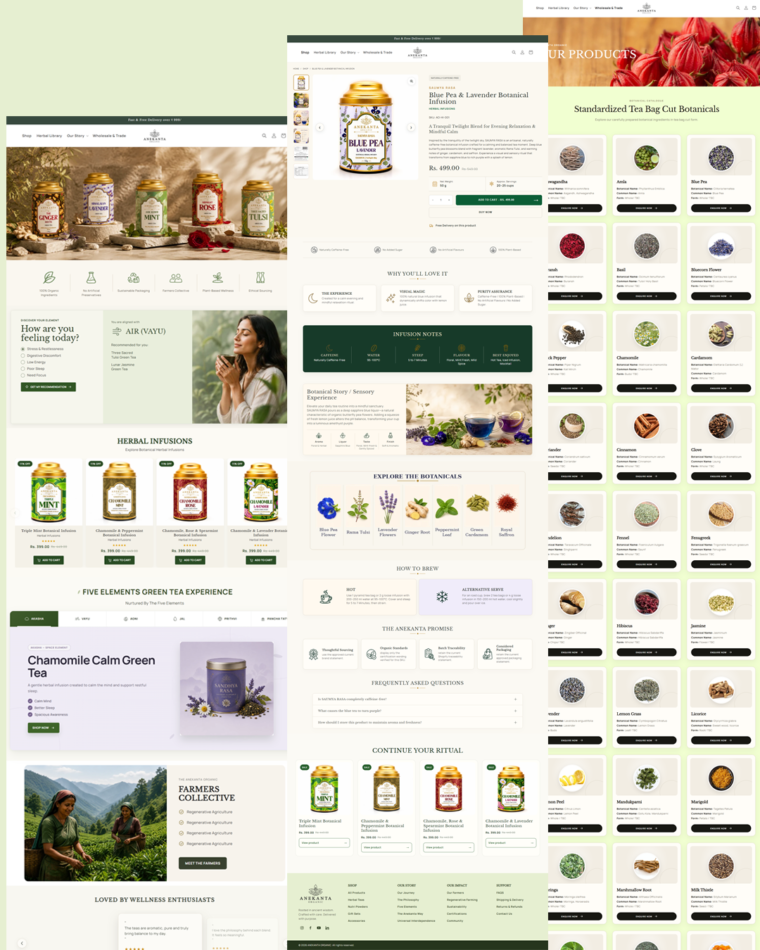
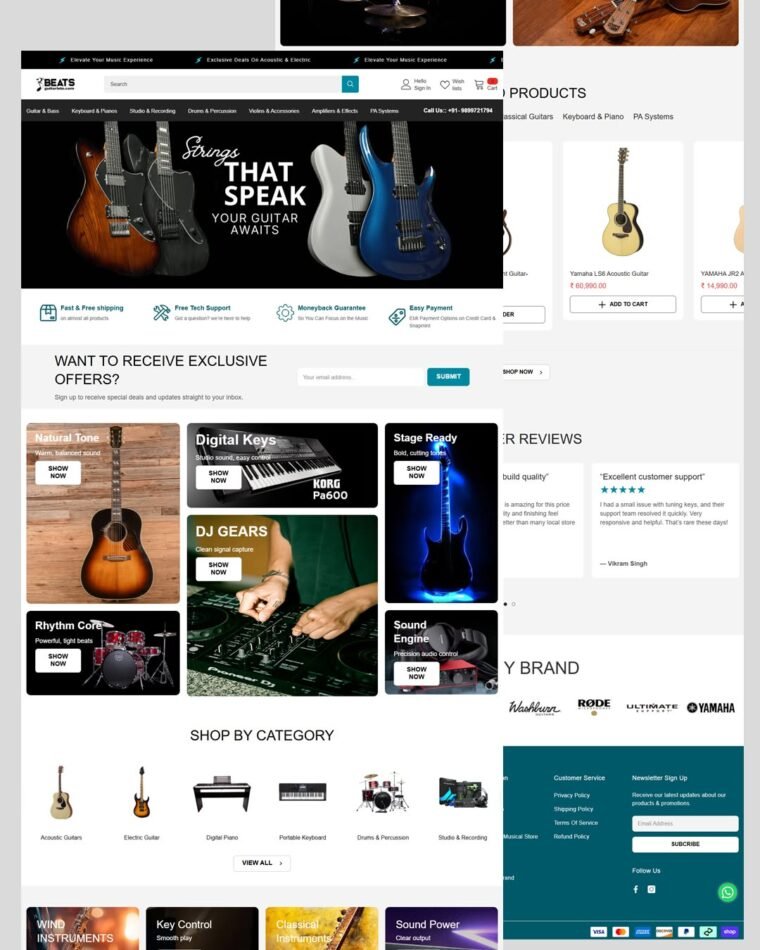
eCommerce Website Development Portfolio

Start your own online eCommerce Store at Low Price! With Fast and Easy to use layout, you get everything you need to Scale your Business!

The right company should understand your products, customer journey and operations—not only visual design. Compare relevant ecommerce work, platform knowledge, scope clarity, third-party cost disclosure, testing process, ownership terms and post-launch support. Ask for evidence rather than relying on “best” claims.

Services can include strategy, catalogue planning, UI design, Shopify or WooCommerce development, custom ecommerce development, product setup, payment and shipping configuration, migration, redesign, analytics, technical SEO foundations, training and maintenance. The final scope depends on your store requirements. Businesses may also hire a Shopify developer in Laxmi Nagar or a WooCommerce developer in Laxmi Nagar when the selected platform requires specialised configuration.

Cost depends on platform, catalogue size, design depth, custom features, integrations, migration, content and support. A theme-led starter store costs less than a bespoke portal or marketplace. A requirements review is necessary for an accurate quote, including recurring platform and application costs.

A small store with approved content and straightforward integrations can be completed faster than a large catalogue or custom solution. Product data readiness, design approvals, payment onboarding, integration access, revisions and testing all affect the schedule. The proposal should state milestones and client dependencies.

Shopify often suits teams wanting hosted infrastructure and streamlined store administration. WooCommerce can suit WordPress-based businesses needing content flexibility and greater hosting control. The better choice depends on features, budget, internal skills, maintenance preference and long-term roadmap.

Yes, when standard platforms cannot address the required pricing, catalogue, portal, workflow or integration needs efficiently. Custom development requires deeper discovery, testing, hosting and ongoing maintenance, so it should solve a clear business requirement rather than serve as a default choice.

Responsive design is treated as a core requirement. Key pages and interactions are reviewed across common screen sizes, including navigation, filters, product variants, cart and checkout hand-offs. Actual checkout behaviour may also depend on the selected platform and payment provider.

Supported providers can be configured for eligible merchants, including cards, UPI, net banking, wallets or Cash on Delivery where available. Approval, KYC, fees, settlement and supported methods are controlled by the gateway and ecommerce platform.

Compatible logistics services can support shipping rates, serviceability, order sync, labels and tracking. The correct setup depends on product size, delivery locations, shipping rules, Cash on Delivery and the provider’s API or application capabilities.

Maintenance options can cover updates, backups, troubleshooting, product or content changes, performance reviews and feature improvements. Coverage, response expectations and exclusions should be agreed in a written support plan.