
Shopify Developer in Gurgaon

Shopify Development Services in Gurgaon — Custom Builds, No Templates

I’m Vipin Kumar, a freelance Shopify developer and web designer helping fashion, D2C, and growing businesses build high-performing Shopify stores. Whether you’re launching a new online store, redesigning an existing website, or need custom Shopify functionality, I deliver scalable, responsive, and user-friendly solutions with clean code designed to support your brand’s growth.

Hire Shopify Developer Gurgaon & We will provide the best

Serving India • Dubai • UK • USA • Australia

Best Professional Shopify Web Designers in Delhi

Shopify Developer in Gurgaon for Custom Ecommerce Stores

Purpose-built Shopify experiences for ambitious brands in Gurugram and across India

Looking for a Shopify developer in Gurgaon who can turn a product idea into a polished, dependable online store? Vipin Web Designer provides Shopify website design, theme development, customisation, integrations and ongoing technical assistance for ecommerce businesses. The work begins with your catalogue, customers and operating process, rather than a standard theme that every competitor can use.

Whether you are launching a new D2C brand, improving an established store or moving from another ecommerce platform, the goal is to make shopping intuitive and administration manageable. A useful Shopify storefront should explain products clearly, guide customers to the right variant, communicate delivery and return policies, and perform consistently on mobile. Those fundamentals matter more than a long list of decorative features.

Projects can be discussed remotely with Gurgaon-based founders and teams in Cyber City, Udyog Vihar, Golf Course Road, Sohna Road and elsewhere in Gurugram. These are service areas, not claims of physical offices. Each engagement is scoped around the actual work needed, with decisions about design, apps and custom code explained before implementation.

Real People, Real Results

We create clean, modern & responsive websites that look good, load quickly and most importantly, deliver ROI for our clients.

Why We’re Better

/ In-house Work

/ Designed First, Developed Second

/ Brand Focused Premium Outcomes

/ From Start-up to Enterprise Level

Why Hire a Shopify Developer in Gurgaon?

Local commercial context with practical ecommerce engineering

Business-led discovery

A Gurgaon retailer selling premium apparel has different requirements from a B2B supplier managing repeat wholesale orders. Discovery clarifies customer groups, product types, catalogue size, expected traffic sources, delivery coverage and the team responsible for updates. This prevents a beautiful design from hiding essential buying information.

Direct collaboration

A clear contact point helps translate product, marketing and operations feedback into workable tasks. Instead of treating every request as an urgent code change, priorities can be ranked by customer impact, implementation effort and dependencies. This makes budgets and launch dates easier to manage. For direct collaboration, the project brief should identify the merchant-facing outcome, the customer-facing behaviour and the acceptance criteria before implementation. Review a representative mobile screen and a desktop screen, test at least one realistic shopping scenario, and document what the store administrator will be able to change without developer assistance. Any dependency on third-party applications, merchant data or Shopify plan features should be confirmed during scoping rather than assumed.


Long-term flexibility

Reusable Shopify sections, organised templates and sensible app selection reduce dependence on repeated developer intervention. A well-structured store should accommodate new collections, seasonal campaigns and merchandising experiments without rebuilding the homepage each time. For long-term flexibility, the project brief should identify the merchant-facing outcome, the customer-facing behaviour and the acceptance criteria before implementation. Review a representative mobile screen and a desktop screen, test at least one realistic shopping scenario, and document what the store administrator will be able to change without developer assistance. Any dependency on third-party applications, merchant data or Shopify plan features should be confirmed during scoping rather than assumed.

16+

Years in Business

2500+

Successful Projects

600+

Happy Clients

4000+

Ideas/Concepts Derived

Shopify Website Development Services in Gurgaon

Complete storefront development, from setup to advanced enhancements

New Shopify store setup

For a new store, the work includes store settings, domain connection, collections, navigation, product data, payment configuration, shipping profiles, policy pages and launch testing. Requirements such as taxes and invoices are reviewed with the merchant and relevant advisers; the developer implements approved settings rather than providing tax advice. For new shopify store setup, the project brief should identify the merchant-facing outcome, the customer-facing behaviour and the acceptance criteria before implementation. Review a representative mobile screen and a desktop screen, test at least one realistic shopping scenario, and document what the store administrator will be able to change without developer assistance. Any dependency on third-party applications, merchant data or Shopify plan features should be confirmed during scoping rather than assumed.

Custom Shopify website design

The design system brings together typography, colours, spacing, banners, cards, filters and product layouts. Every page should feel connected to the same brand while giving customers an obvious next step. Mobile navigation and accessible interaction states are planned alongside the desktop design. For custom shopify website design, the project brief should identify the merchant-facing outcome, the customer-facing behaviour and the acceptance criteria before implementation. Review a representative mobile screen and a desktop screen, test at least one realistic shopping scenario, and document what the store administrator will be able to change without developer assistance. Any dependency on third-party applications, merchant data or Shopify plan features should be confirmed during scoping rather than assumed.

Shopify theme customisation

An existing compatible theme can often be improved more efficiently than replaced. Theme customisation can cover headers, mega menus, promotional sections, product templates, cart drawers and collection layouts. Changes are developed with awareness of theme updates and Shopify Online Store 2.0 editing controls. For shopify theme customisation, the project brief should identify the merchant-facing outcome, the customer-facing behaviour and the acceptance criteria before implementation. Review a representative mobile screen and a desktop screen, test at least one realistic shopping scenario, and document what the store administrator will be able to change without developer assistance. Any dependency on third-party applications, merchant data or Shopify plan features should be confirmed during scoping rather than assumed.

Custom Shopify theme development

Where the brand needs unusual storytelling or specialised buying journeys, custom Liquid sections and templates can provide greater control. The architecture should remain understandable to future maintainers and allow merchants to edit text, imagery and content blocks through the Shopify editor. For custom shopify theme development, the project brief should identify the merchant-facing outcome, the customer-facing behaviour and the acceptance criteria before implementation. Review a representative mobile screen and a desktop screen, test at least one realistic shopping scenario, and document what the store administrator will be able to change without developer assistance. Any dependency on third-party applications, merchant data or Shopify plan features should be confirmed during scoping rather than assumed.

Shopify app integration

Reviews, loyalty, subscriptions, search, bundles and marketing tools can add real value when selected carefully. Before installation, check feature overlap, subscription fees, privacy implications, script weight and compatibility. Shopify-native features may sometimes solve the same need with less complexity. For shopify app integration, the project brief should identify the merchant-facing outcome, the customer-facing behaviour and the acceptance criteria before implementation. Review a representative mobile screen and a desktop screen, test at least one realistic shopping scenario, and document what the store administrator will be able to change without developer assistance. Any dependency on third-party applications, merchant data or Shopify plan features should be confirmed during scoping rather than assumed.

Shopify maintenance and support

After launch, stores need campaign changes, bug fixes, compatibility checks and measured improvements. A defined support arrangement can cover theme updates, new sections, app troubleshooting and performance reviews. The scope, turnaround and fees should be explicit rather than relying on vague unlimited-support promises. For shopify maintenance and support, the project brief should identify the merchant-facing outcome, the customer-facing behaviour and the acceptance criteria before implementation. Review a representative mobile screen and a desktop screen, test at least one realistic shopping scenario, and document what the store administrator will be able to change without developer assistance. Any dependency on third-party applications, merchant data or Shopify plan features should be confirmed during scoping rather than assumed.

Ready to Build Your Shopify Store?

Let’s create a custom Shopify website that fits your brand, engages your customers, and drives sales.

Shopify Theme Development and Storefront UX

Make every template useful, consistent and easy to navigate

Homepage storytelling

A homepage should answer what the brand sells, who the products serve and where a visitor should go next. Campaign banners, featured collections and trust signals can work together without forcing every offer above the fold. Strong visual hierarchy helps both first-time and returning visitors. For homepage storytelling, the project brief should identify the merchant-facing outcome, the customer-facing behaviour and the acceptance criteria before implementation. Review a representative mobile screen and a desktop screen, test at least one realistic shopping scenario, and document what the store administrator will be able to change without developer assistance. Any dependency on third-party applications, merchant data or Shopify plan features should be confirmed during scoping rather than assumed.

Collection and category discovery

Collection pages need understandable names, helpful filters, sensible sorting and product cards that show meaningful information. For larger catalogues, product taxonomy and metafields can make filters more accurate. Filter availability depends on the store setup and supported Shopify capabilities. For collection and category discovery, the project brief should identify the merchant-facing outcome, the customer-facing behaviour and the acceptance criteria before implementation. Review a representative mobile screen and a desktop screen, test at least one realistic shopping scenario, and document what the store administrator will be able to change without developer assistance. Any dependency on third-party applications, merchant data or Shopify plan features should be confirmed during scoping rather than assumed.

Product detail pages

Product pages should resolve buying questions about size, materials, usage, compatibility, shipping and returns. Variant selection must update the correct price, availability, media and cart item. Clear descriptions and structured content help customers and search engines understand individual products. For product detail pages, the project brief should identify the merchant-facing outcome, the customer-facing behaviour and the acceptance criteria before implementation. Review a representative mobile screen and a desktop screen, test at least one realistic shopping scenario, and document what the store administrator will be able to change without developer assistance. Any dependency on third-party applications, merchant data or Shopify plan features should be confirmed during scoping rather than assumed.
Cart and checkout journey

The cart should show accurate quantities, selected variants, discounts and shipping expectations. Checkout customisation options vary by Shopify plan and supported extensions, so any advanced checkout request must be assessed before promising a particular interaction. For cart and checkout journey, the project brief should identify the merchant-facing outcome, the customer-facing behaviour and the acceptance criteria before implementation. Review a representative mobile screen and a desktop screen, test at least one realistic shopping scenario, and document what the store administrator will be able to change without developer assistance. Any dependency on third-party applications, merchant data or Shopify plan features should be confirmed during scoping rather than assumed.
Shopify Speed Optimisation and Core Web Vitals

Performance improvements rooted in evidence, not arbitrary scores

Image and media strategy

Use appropriately sized images, modern formats where supported, meaningful alt text and lazy loading where appropriate. Large hero videos and uncompressed product galleries can increase loading time, especially on mobile networks. Media should reinforce product confidence without delaying essential content. For image and media strategy, the project brief should identify the merchant-facing outcome, the customer-facing behaviour and the acceptance criteria before implementation. Review a representative mobile screen and a desktop screen, test at least one realistic shopping scenario, and document what the store administrator will be able to change without developer assistance. Any dependency on third-party applications, merchant data or Shopify plan features should be confirmed during scoping rather than assumed.
Theme code and third-party scripts

Unused JavaScript, overlapping apps and excessive tracking scripts can make pages feel sluggish. A performance audit reviews what loads, when it loads and whether each dependency contributes value. Removing code should be tested carefully so cart, search and tracking functions continue to work. For theme code and third-party scripts, the project brief should identify the merchant-facing outcome, the customer-facing behaviour and the acceptance criteria before implementation. Review a representative mobile screen and a desktop screen, test at least one realistic shopping scenario, and document what the store administrator will be able to change without developer assistance. Any dependency on third-party applications, merchant data or Shopify plan features should be confirmed during scoping rather than assumed.
Build Your Profit Boosting Shopify Store With Shopify Developers In Noida

We will help you to achieve your goals and to grow your business. We support your shop and online company development. With us, you can increase your sales.

Why Custom

Why Custom Development Is Better

Template Stores
My Custom Solution
shopify developers india

Shopify SEO Services for Gurgaon Businesses

Build technically understandable pages that answer real search intent

Keyword mapping and information architecture

Assign distinct intents to the Gurgaon service page, theme development page, store setup page and other city pages. Avoid publishing identical copy with only the city changed. Use descriptive page titles, clear navigation and relevant internal links that help visitors reach detailed service explanations. For keyword mapping and information architecture, the project brief should identify the merchant-facing outcome, the customer-facing behaviour and the acceptance criteria before implementation. Review a representative mobile screen and a desktop screen, test at least one realistic shopping scenario, and document what the store administrator will be able to change without developer assistance. Any dependency on third-party applications, merchant data or Shopify plan features should be confirmed during scoping rather than assumed.
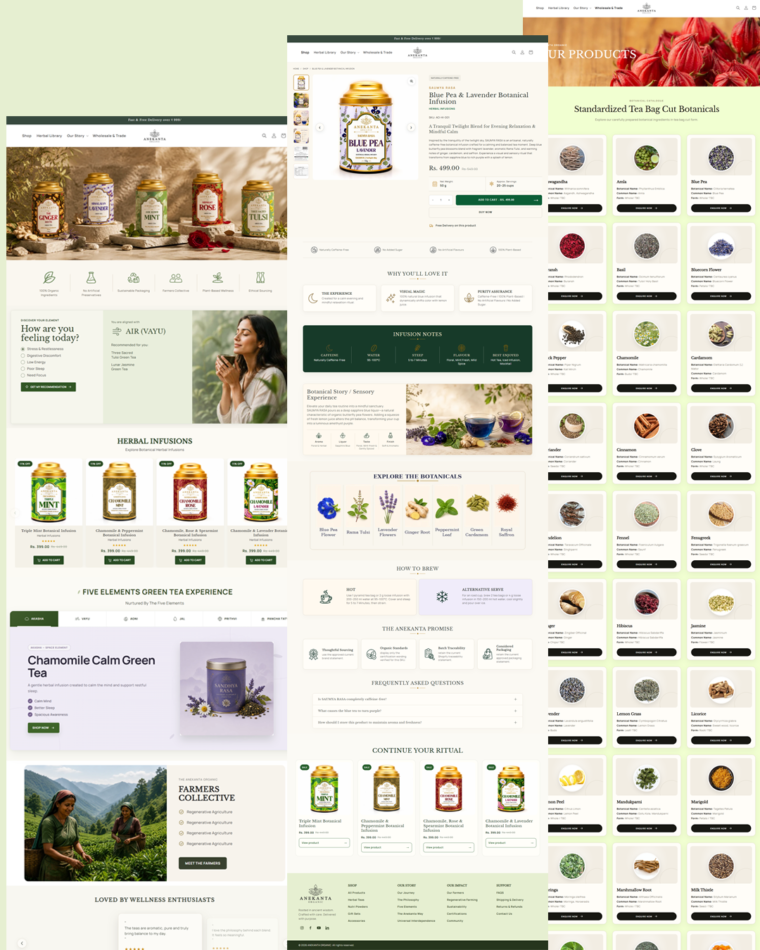
On-page content and semantic headings

A useful page has one main H1, meaningful H2 and H3 sections, natural keyword placement and paragraphs that answer actual buyer questions. Service descriptions should explain deliverables, suitability and limitations. Keyword repetition alone does not demonstrate expertise. For on-page content and semantic headings, the project brief should identify the merchant-facing outcome, the customer-facing behaviour and the acceptance criteria before implementation. Review a representative mobile screen and a desktop screen, test at least one realistic shopping scenario, and document what the store administrator will be able to change without developer assistance. Any dependency on third-party applications, merchant data or Shopify plan features should be confirmed during scoping rather than assumed.
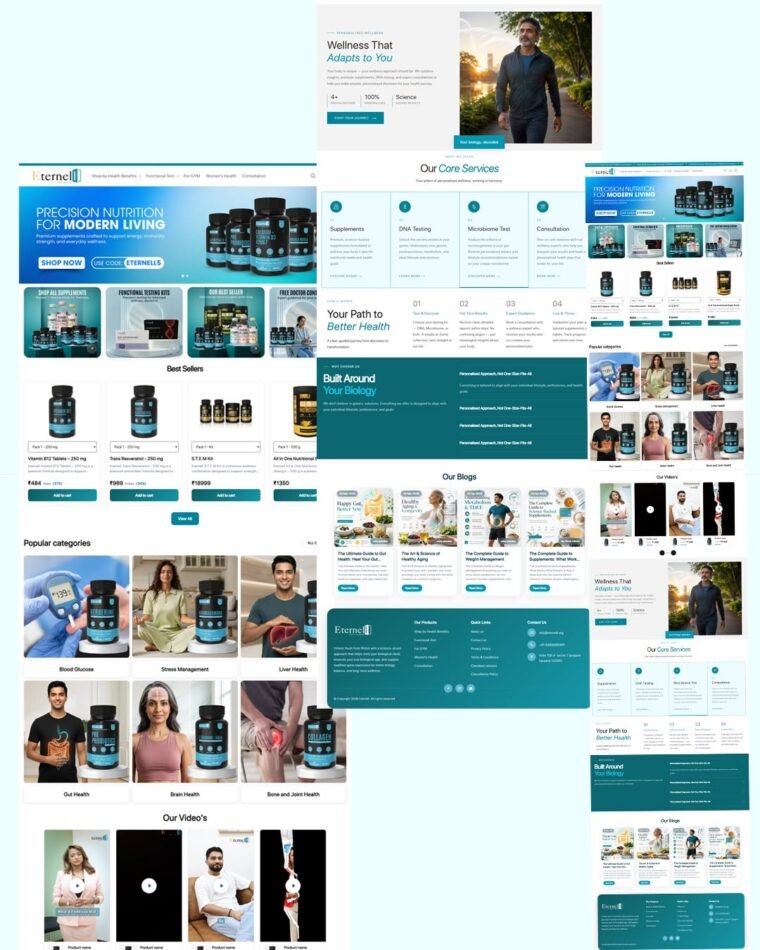
Product and collection SEO

Product titles, original descriptions, collection introductions, image alt text and structured product information help search engines interpret the catalogue. Canonical handling, variants and filter URLs should be checked to limit accidental duplication or crawl waste. For product and collection seo, the project brief should identify the merchant-facing outcome, the customer-facing behaviour and the acceptance criteria before implementation. Review a representative mobile screen and a desktop screen, test at least one realistic shopping scenario, and document what the store administrator will be able to change without developer assistance. Any dependency on third-party applications, merchant data or Shopify plan features should be confirmed during scoping rather than assumed.
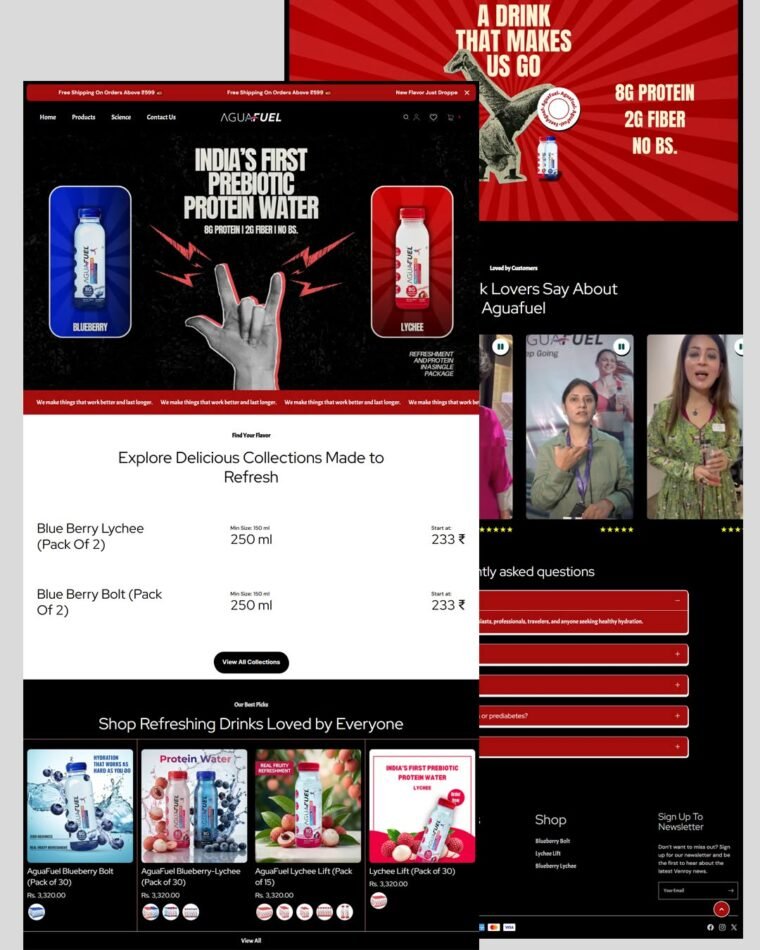
Structured data and AI readability

Appropriate Organization, BreadcrumbList, Product and other supported structured data can help machines understand page entities. Visible FAQ answers may be useful to visitors, but FAQ rich results are restricted by Google eligibility policies. Structured data is not a ranking guarantee. For structured data and ai readability, the project brief should identify the merchant-facing outcome, the customer-facing behaviour and the acceptance criteria before implementation. Review a representative mobile screen and a desktop screen, test at least one realistic shopping scenario, and document what the store administrator will be able to change without developer assistance. Any dependency on third-party applications, merchant data or Shopify plan features should be confirmed during scoping rather than assumed.

Technical crawl and indexing checks

Verify HTTP status, redirects, canonical tags, robots directives, sitemap inclusion, internal link discoverability and rendered page content. Google Search Console URL Inspection can show whether Google discovered, crawled or indexed the URL. Submitting a URL is a request, not an indexing promise. For technical crawl and indexing checks, the project brief should identify the merchant-facing outcome, the customer-facing behaviour and the acceptance criteria before implementation. Review a representative mobile screen and a desktop screen, test at least one realistic shopping scenario, and document what the store administrator will be able to change without developer assistance. Any dependency on third-party applications, merchant data or Shopify plan features should be confirmed during scoping rather than assumed.
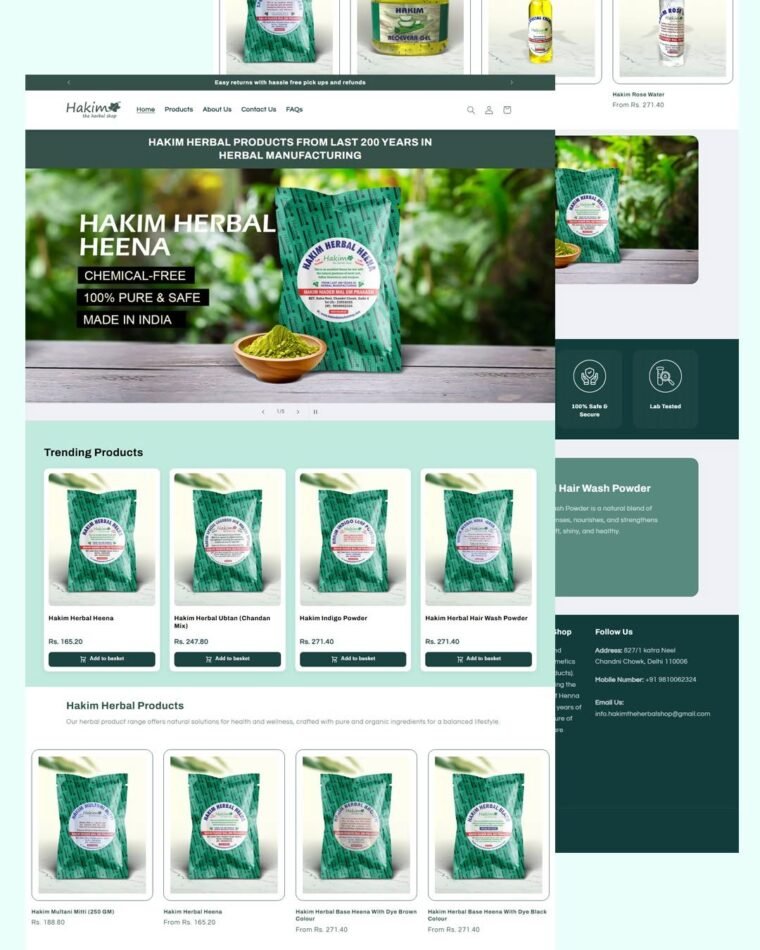
Shopify Migration, Integrations and Operations

Connect your storefront with the systems your team already relies on

Migration from WooCommerce or another platform

A migration plan maps products, categories, customers where permitted, content, media and essential SEO URLs. Redirects should be tested against the final destination list. Historical orders and customer passwords may have platform-specific limitations, so migration scope should be documented precisely.

Payment and shipping integrations

Payment gateway choice depends on merchant eligibility, region, fees and supported Shopify connections. Shipping rules should reflect serviceable postcodes, delivery speeds, packaging constraints and returns. Test scenarios should cover successful payments, failed payments and fulfilment updates.

CRM, ERP and inventory connectivity

Businesses with multiple sales channels may need inventory synchronisation, customer support workflows or accounting integrations. The right architecture identifies which system owns each field and how errors are retried. Reliable data exchange matters more than a complicated dashboard.

B2B and wholesale commerce

Wholesale buyers may need quantity breaks, trade catalogues, quote requests and account workflows. Some native B2B capabilities depend on Shopify plan eligibility. Where native features are unavailable, the implementation can be scoped around supported apps or custom workflows.

Shopify technology stack

Modern Technologies Behind High-Performing Shopify Stores

A successful Shopify store needs more than an attractive design. It requires clean development, reliable integrations, secure data handling, and a flexible technical foundation. We use Shopify’s trusted technologies and carefully selected tools to build online stores that are fast, scalable, easy to manage, and ready for future growth.

Frontend

We create responsive and user-friendly storefronts that deliver a smooth shopping experience on mobiles, tablets, and desktops.

Liquid

Dynamic storefront sections and reusable theme components.

HTML5 & CSS3

Accessible, responsive layouts and consistent styling.

JavaScript (ES6+)

Interactive galleries, AJAX carts, filters, and search.

React.js

Fast component-based experiences for advanced storefronts.

Backend

We create responsive and user-friendly storefronts that deliver a smooth shopping experience on mobiles, tablets, and desktops.

Shopify Admin API

Manage products, orders, customers, and inventory.

Shopify Functions

Custom discounts, shipping rules, and checkout logic.

Node.js

Reliable apps, automation, and server-side workflows.

GraphQL Admin API

Efficient access to Shopify data and operations.

Database and Data Management

Where a project needs external data storage, we select an appropriate database based on functionality, scale, and security.

Shopify-Hosted Data

Secure commerce data managed within Shopify.

PostgreSQL

Structured records, reporting, and application data.

MongoDB

Flexible storage for custom application content.

Firebase

Real-time features, authentication, and notifications.

Integrations

We connect Shopify with the tools your business already uses, keeping information accurate between platforms and teams.

API

REST APIs

Connect payment, CRM, ERP, and shipping systems.

Webhooks

Automate actions when important store events occur.

OAuth 2.0

Secure authorisation for approved applications.

Zapier

Connect Shopify with everyday business tools.

Industries we support

Shopify Solutions for Gurgaon Industries

Support fit guidance, colour swatches, variant imagery, collection merchandising and seasonal drops. A premium fashion store needs consistent photography and simple returns information as much as striking visual design.

For fashion, apparel and lifestyle, the project brief should identify the merchant-facing outcome, the customer-facing behaviour and the acceptance criteria before implementation. Review a representative mobile screen and a desktop screen, test at least one realistic shopping scenario, and document what the store administrator will be able to change without developer assistance. Any dependency on third-party applications, merchant data or Shopify plan features should be confirmed during scoping rather than assumed.
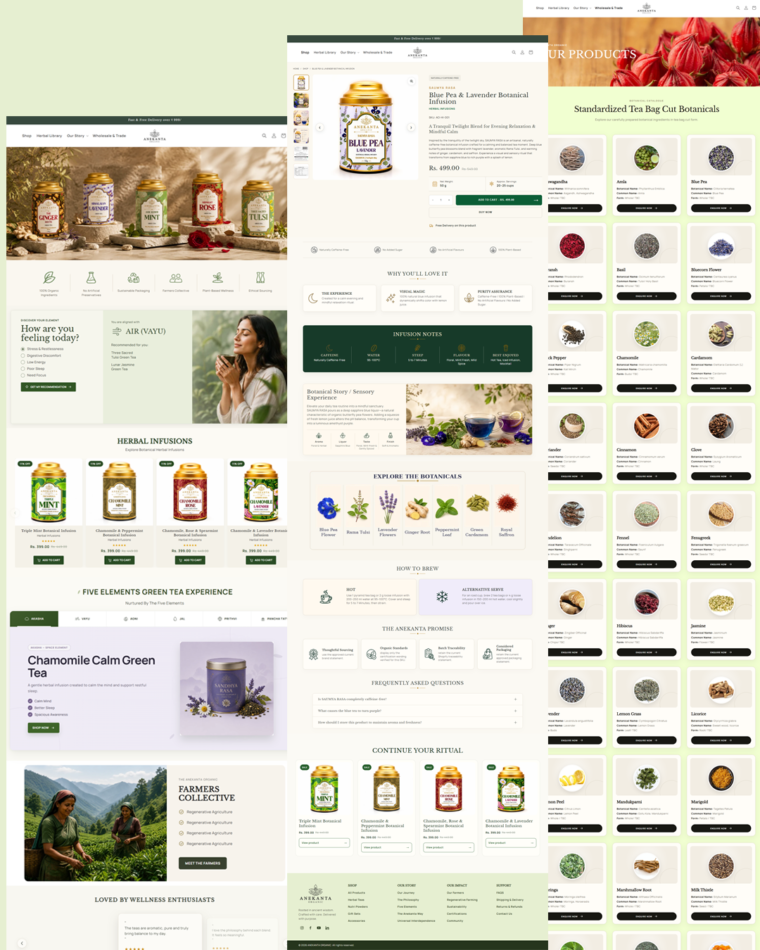
Present ingredients, usage instructions, product benefits and applicable safety information clearly. Bundles and replenishment reminders can help repeat purchases, while claims should remain accurate and supported by the merchant.

For beauty, wellness and personal care, the project brief should identify the merchant-facing outcome, the customer-facing behaviour and the acceptance criteria before implementation. Review a representative mobile screen and a desktop screen, test at least one realistic shopping scenario, and document what the store administrator will be able to change without developer assistance. Any dependency on third-party applications, merchant data or Shopify plan features should be confirmed during scoping rather than assumed.
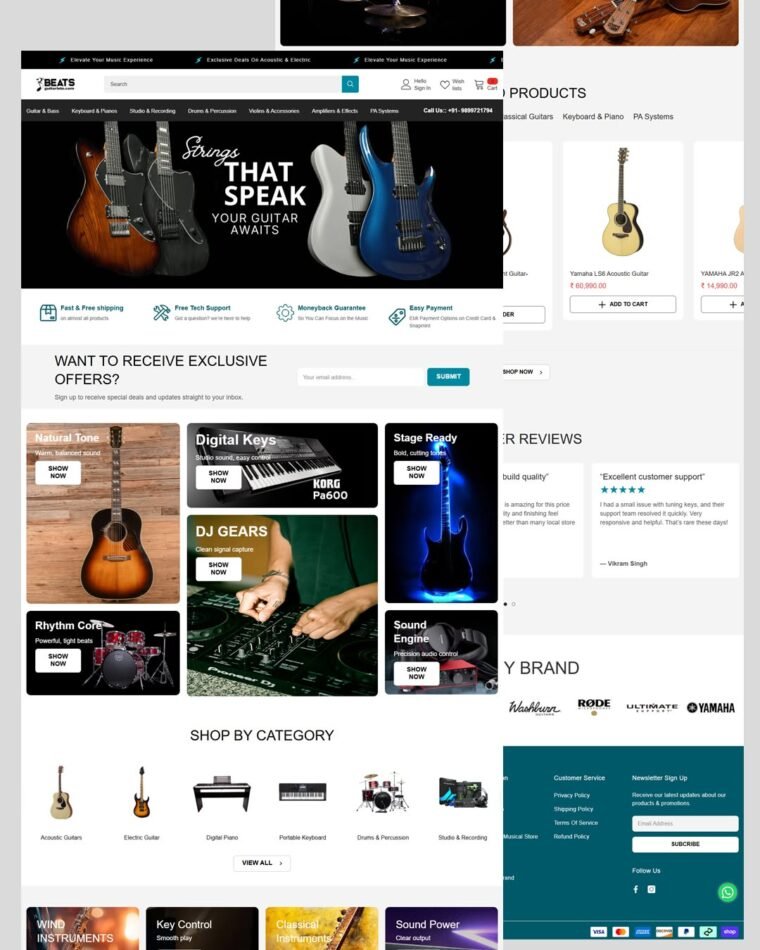
High-consideration purchases benefit from detailed galleries, specifications, authenticity information, gifting options and customer-service access. Editorial storytelling should not conceal practical product details.

For jewellery, gifting and luxury, the project brief should identify the merchant-facing outcome, the customer-facing behaviour and the acceptance criteria before implementation. Review a representative mobile screen and a desktop screen, test at least one realistic shopping scenario, and document what the store administrator will be able to change without developer assistance. Any dependency on third-party applications, merchant data or Shopify plan features should be confirmed during scoping rather than assumed.

Dimensions, materials, delivery restrictions and care instructions are often central to the decision. Product filters and room-based collections can help customers discover suitable items.

For home, furniture and decor, the project brief should identify the merchant-facing outcome, the customer-facing behaviour and the acceptance criteria before implementation. Review a representative mobile screen and a desktop screen, test at least one realistic shopping scenario, and document what the store administrator will be able to change without developer assistance. Any dependency on third-party applications, merchant data or Shopify plan features should be confirmed during scoping rather than assumed.

Collections, pack sizes, ingredient information and fulfilment rules should be easy to understand. Subscription or local-delivery features require validation against products, geography and available integrations.

For food, beverage and specialty retail, the project brief should identify the merchant-facing outcome, the customer-facing behaviour and the acceptance criteria before implementation. Review a representative mobile screen and a desktop screen, test at least one realistic shopping scenario, and document what the store administrator will be able to change without developer assistance. Any dependency on third-party applications, merchant data or Shopify plan features should be confirmed during scoping rather than assumed.

Compatibility details, specifications, stock availability and bulk purchasing options are important. Product metafields and structured templates can make complex catalogues more usable.

For electronics and b2b supplies, the project brief should identify the merchant-facing outcome, the customer-facing behaviour and the acceptance criteria before implementation. Review a representative mobile screen and a desktop screen, test at least one realistic shopping scenario, and document what the store administrator will be able to change without developer assistance. Any dependency on third-party applications, merchant data or Shopify plan features should be confirmed during scoping rather than assumed.

Custom Shopify development

What You Can Expect from Our Custom Shopify Development Services

Our Shopify services cover the complete journey—from initial planning and store setup to custom development, integration, testing, launch, and ongoing improvement. Every solution is created around your brand, products, customers, and operational needs.

Store Setup Made Simple

Products, collections, navigation, payments, shipping, and launch readiness.

Brand-Focused Theme Design

Custom typography, colours, banners, and branded storefront sections.

Smart App Solutions

Reviews, subscriptions, bundles, loyalty, and customer-support tools.

Seamless Integrations

Connect payment, shipping, CRM, accounting, and marketing platforms.

Shopify Plus Solutions

Advanced workflows, international stores, automation, and B2B commerce.

Dropshipping Setup

Supplier connections, product imports, inventory, pricing, and tracking.

Speed and Performance Optimisation

Optimised themes, scripts, images, apps, and storefront resources.

Mobile-Responsive Experience

Comfortable shopping across mobile, tablet, and desktop devices.

Conversion-Focused Product Pages

Clear benefits, product media, reviews, specifications, and trust elements.

Search Engine Foundations

Metadata, heading structure, clean URLs, and technical SEO foundations.

Testing and Quality Assurance

Thorough checks for carts, payments, shipping, forms, and devices.

Training and Ongoing Support

Practical store-management guidance and continuing technical support.

Ready to Build or Improve Your Shopify Store?

Whether you are launching a new ecommerce business, redesigning an existing store, or adding advanced functionality, we can create a Shopify solution suited to your goals.

best shopify developers india

How the Shopify Development Process Works

A transparent route from requirements to launch

1. Discovery and audit

Share business goals, existing website access where relevant, competitor references and essential features. The first stage identifies what must be built, what can be configured and which requirements need further research.

2. Sitemap and UX planning

Plan collections, templates, menus and key conversion paths before design approval. Wireframes help reveal missing content and unusual customer journeys early.

3. Visual design and development

Build approved components in a development theme or appropriate environment. Review responsive layouts and provide realistic previews for content editors.

4. Testing and launch

Test product variants, carts, discounts, payment paths, shipping rules, mobile behaviour, metadata and redirects. Publish only after the merchant confirms operational readiness.

5. Training and improvement

Explain how to update sections, products and collections. After launch, prioritise refinements using customer feedback, support questions and analytics rather than assumptions.

Secure Payment Gateways

Shipping & Courier Integrations

Benefits of Hiring Shopify Developers Noida

Vipin Web Designer is a Shopify developer in Noida that can help you design and develop an eCommerce website on the Shopify platform. We can assist with customizing the website theme and layout integrating third-party apps. Creating unique functionality to enhance the user experience. Additionally, we can provide ongoing maintenance and support for your website. It is important to hire a reputable and experienced company to ensure that your e-commerce website is successful.

Customization

Shopify developers can customize your store to fit your specific need and requirement that include creating custom themes and templates, adding custom functionality, and integrating with other platforms.

Optimization

A Shopify developer can optimize your store for better performance and user experience. It includes improving page load times, increasing conversion rate, and making the checkout process more seamless.

Maintenance

Shopify developers handle ongoing maintenance and updates to your store ensuring it remains secure and up-to-date with the latest features and technologies.

Scalability

A Shopify developer can help you scale your store as your business grows to add new features and functionality as needed to support increased traffic and sales.

Cost-effective

Hiring a Shopify developer can be cost-effective as you can hire them on a project base on a retainer which permits you to have the benefits of a full-time developer without the expense.

Why Our Shopify Store Is Better Than Rest

Navigate Through Our Distinctive Shopify Store Development Features

  • Customizable Themes
  • Responsive Design
  • SEO Optimization
  • Product Page Optimization
  • Secure Payment Gateway Integration
  • Streamlined Checkout Process
  • Personalized Shopping Cart
  • Efficient Inventory Management
  • App Integration
  • Analytics and Reporting
  • Social Media Integration
  • Customer Reviews and Ratings
  • Multi-Currency Support
  • 24/7 Customer Support
  • Easy Content Management

How it Works

Quality services at a cost-effective price

Drop An Inquiry

Reach us via your convenient mode of communication.

Obtain The Required Talent

Choose the most efficient developer from the list of candidates.

Screening

You can personally assess the developer’s skill via a call.

Obtain The Required Talent

Choose the most efficient developer from the list of candidates.

Approval

We keep our policies transparent and proceed only after your approval.

Onboarding

Once the discussion is over, you are welcome onboard.

Shopify Developer Pricing in Gurgaon

Choose a scope that matches the work, not an unrealistic fixed promise

What influences development cost

Pricing depends on template count, content readiness, custom features, migration complexity, app subscriptions, integrations and testing requirements. A simple store setup is materially different from a bespoke storefront connected to inventory systems.

What to request in a quotation

Ask for an itemised scope, deliverables, revision rounds, timeline, dependencies, third-party costs, ownership and post-launch support. A transparent estimate should distinguish one-time development from recurring Shopify and app fees.

Freelancer versus agency decision

A specialist developer may suit focused theme work or direct technical collaboration. A multidisciplinary agency may suit projects needing parallel design, content, marketing and engineering capacity. Choose based on actual resources and accountability, not the label alone. For freelancer versus agency decision, the project brief should identify the merchant-facing outcome, the customer-facing behaviour and the acceptance criteria before implementation. Review a representative mobile screen and a desktop screen, test at least one realistic shopping scenario, and document what the store administrator will be able to change without developer assistance. Any dependency on third-party applications, merchant data or Shopify plan features should be confirmed during scoping rather than assumed.

Shopify eCommerce Website Development Portfolio

Start your own online eCommerce Store at Low Price! With Fast and Easy to use layout, you get everything you need to Scale your Business!

Why Work With Vipin Web Designer?

Practical technical work backed by a clear understanding of ecommerce operations

Brand-led implementation

The objective is to preserve a brand’s character while making product discovery and purchasing easier. Design choices should be explained through their effect on readability, navigation and customer confidence.

Maintainable development

Reusable Liquid sections, careful integrations and documented changes can reduce future rework. A merchant should not need to request code edits for every campaign headline or image replacement.

Honest technical guidance

Not every request needs a custom app, and not every performance issue can be fixed through theme code. Trade-offs about apps, platform restrictions, cost and maintainability should be made visible before work begins.

Frequently Asked Questions About Shopify Developers in Gurgaon

A Shopify developer configures stores, customises themes, creates storefront components, integrates supported apps and APIs, fixes bugs and helps merchants improve usability. The exact scope depends on the project brief.

Yes. A new store project can include structure planning, design, theme implementation, products, collections, payments, shipping, testing and launch assistance. Content and operational policies are supplied or approved by the merchant.

Yes. Dawn can be adapted with custom sections, templates, navigation, product interactions and styling. Compatibility and update risks should be reviewed before extensive changes.

Yes. Requirements, design reviews, staging previews and technical handover can be managed remotely. Service availability does not imply a physical office in every Gurgaon locality.

Timelines vary by scope, product data readiness, approvals and integrations. A simple configuration usually needs less work than a bespoke theme or complex migration. A realistic schedule follows discovery.

Cost depends on page templates, functionality, migration, third-party services and support. Request a written quotation after sharing the product catalogue, design references and feature list.

A migration can include product and content mapping, compatible customer data, SEO redirects and post-import validation. Historical orders and passwords require platform-specific assessment.

Custom apps or integrations can be scoped when Shopify-native features and existing apps do not adequately meet the requirement. API permissions and operating costs are reviewed.

Shopify can support wholesale experiences through different configurations, apps and eligible B2B features. The right approach depends on customer accounts, pricing and ordering needs.

Shopify supports international commerce features subject to eligibility and configuration. Currency, translations, taxes, duties, payments and shipping need to be planned by market.

Shopify Developers Services Across India

Find Expert Shopify Developers in Your City

Explore our location-based Ecommerce development services and connect with experienced developers for business websites, custom Shopify development, Ecommerce stores, and website maintenance.